Crochet Sweaters Free Patterns: 12 Cozy Designs to Make
There is something special about wearing a sweater made by hand. From oversized pullovers to colorful granny square designs, crochet sweaters bring comfort, personality, and creativity to everyday outfits. The best part is that there are plenty of crochet sweaters free patterns available online, making it possible to create beautiful handmade clothing without spending money on pattern instructions.
Finding the right sweater pattern can feel challenging, especially when there are so many styles, yarn choices, and construction methods. Some designs are perfect for beginners, while others offer interesting stitches and shaping techniques for experienced crocheters. This guide explores 12 lovely sweater styles, explains what to look for when choosing a pattern, and shares practical tips to help create a comfortable sweater that fits beautifully.
Why Choose Crochet Sweaters Free Patterns?
Crocheting a sweater is a rewarding way to develop new skills while creating something useful. Unlike small projects such as coasters or dishcloths, a sweater gives crocheters the opportunity to explore garment construction, shaping, stitch patterns, and finishing techniques.
Free patterns make the process even more enjoyable because there is no need to purchase instructions before starting.
Here are some reasons to try them:
- Save money: Spend your budget on quality yarn instead of pattern instructions.
- Explore different styles: Try oversized sweaters, cardigans, cropped designs, and colorful pullovers.
- Improve crochet skills: Practice shaping, joining panels, working in rounds, and creating ribbed edges.
- Customize your wardrobe: Choose colors, sleeve lengths, and sweater measurements.
- Make thoughtful gifts: Handmade sweaters can become meaningful birthday or holiday presents.
The most useful approach is to choose a pattern based on its construction, not just its appearance. A beautiful sweater made from four simple panels may be much easier to complete than a seemingly simple design with complicated shaping.
12 Beautiful Crochet Sweaters Free Patterns to Try
Different sweater styles offer different crochet experiences. Some use basic rectangles, while others combine decorative stitches, granny squares, and seamless construction.
Here are 12 styles worth exploring when searching for your next handmade garment.
1. Oversized Crochet Sweater

An oversized sweater is a wonderful choice for anyone who loves relaxed and comfortable clothing. Its loose shape creates a casual appearance that looks lovely with leggings, jeans, skirts, or fitted trousers.
Many oversized sweater patterns use simple front and back panels with loose sleeves. This construction makes them especially attractive to beginners who want to move beyond scarves and blankets.
For a soft everyday sweater, choose medium-weight acrylic, cotton blends, or wool-blend yarn. Neutral shades such as cream, oatmeal, gray, and dusty pink create a timeless look.
Helpful pattern features to look for:
- Relaxed or drop-shoulder construction.
- Simple stitch repeats.
- Separate sleeve instructions.
- Clear finished measurements.
- Multiple size options.
2. Crochet Granny Square Sweater

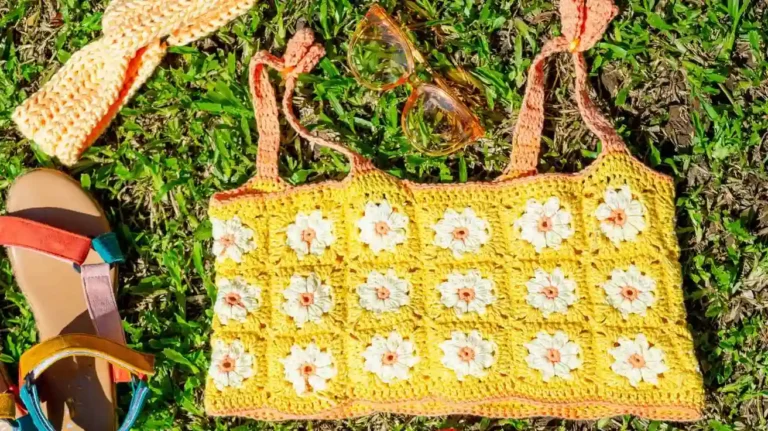
Granny squares are not just for blankets. They can also become beautiful sweaters with a vintage-inspired appearance.
This design is particularly useful for crocheters who enjoy making small motifs. Individual squares are created separately and joined together to form the front, back, and sometimes the sleeves.
One advantage is that different colors can be used throughout the project. A combination of mustard, burgundy, cream, sage green, and dusty pink creates a cheerful retro look.
For a more modern appearance, use one main color or a limited palette. Make sure the squares have consistent measurements so the finished sweater sits evenly.
Beginner tip: Practice joining a few granny squares before making an entire sweater. This helps create neat seams and consistent tension.
3. Crochet Cardigan Sweater

A crochet cardigan is a practical addition to any handmade wardrobe. Unlike a pullover, it has an open front that makes it easy to layer over dresses, shirts, and casual tops.
Many free cardigan patterns use rectangular panels, making the construction easier to understand. Other designs include button bands, pockets, decorative borders, and shaped sleeves.
A lightweight cotton or cotton-acrylic blend works well for everyday layering. For colder weather, wool blends offer additional warmth.
Look for patterns that explain how to create the front edges and neckline. These details help the cardigan look neat and professionally finished.
4. Crochet Crop Sweater

A cropped crochet sweater is a stylish option for anyone who prefers shorter tops. It usually ends around the waist or slightly above the hips, creating a flattering shape when paired with high-waisted jeans, skirts, and trousers.
The shorter body also means less crocheting compared with a full-length sweater. This makes it an appealing project when working with limited yarn.
Choose a simple stitch pattern for an everyday cropped sweater or experiment with textured stitches for a more decorative finish.
A ribbed waistband can help the sweater sit comfortably without adding too much bulk.
5. Crochet Balloon Sleeve Sweater

Balloon sleeves add a beautiful detail to an otherwise simple crochet sweater. They are wider around the upper arm and gradually gather toward the wrist, creating a soft, voluminous shape.
This style looks especially attractive with a fitted or slightly cropped body. The contrast between the relaxed sleeves and the main sweater creates an interesting silhouette.
Patterns may use increases to create the wider sleeve shape before reducing the width near the cuffs.
For a comfortable finish, pay attention to the wrist measurement. The cuff should hold the sleeve gently without feeling too tight.
6. Crochet Turtleneck Sweater

A turtleneck sweater is a lovely project for cooler weather. Its high neckline provides extra coverage and gives the finished garment a classic winter appearance.
The neckline is often worked after completing the main body. Stitches are picked up around the neck opening, then crocheted in rounds or rows to create the collar.
Ribbed stitches are a popular choice because they provide a stretchy finish. Half double crochet worked in the back loop can also create a beautiful ribbed texture.
For a comfortable result, avoid making the neck opening too narrow. Always check the finished measurements and consider how easily the sweater will fit over the head.
7. Crochet V-Neck Sweater

A V-neck crochet sweater has a flattering neckline that works beautifully with shirts, camisoles, and simple tops.
Unlike a basic crew-neck design, the front neckline needs shaping. Some patterns create this shape by dividing the front panel and decreasing stitches along the neckline edges.
This makes it a good project for crocheters who already understand basic increases and decreases.
Choose a lightweight yarn for a softer drape, especially if the sweater is designed to be worn throughout the year.
8. Crochet Striped Sweater

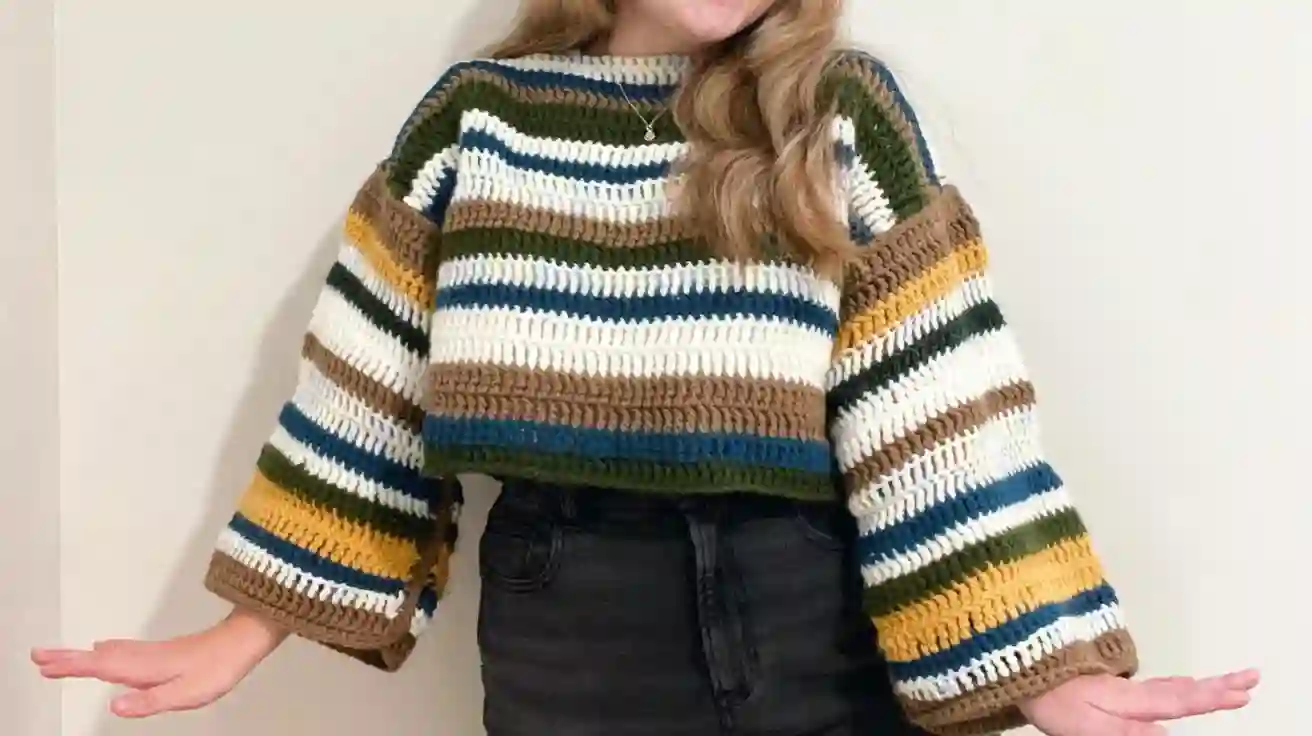
Stripes are an easy way to add personality to a handmade sweater. Even a simple stitch pattern can look special when different yarn colors are combined.
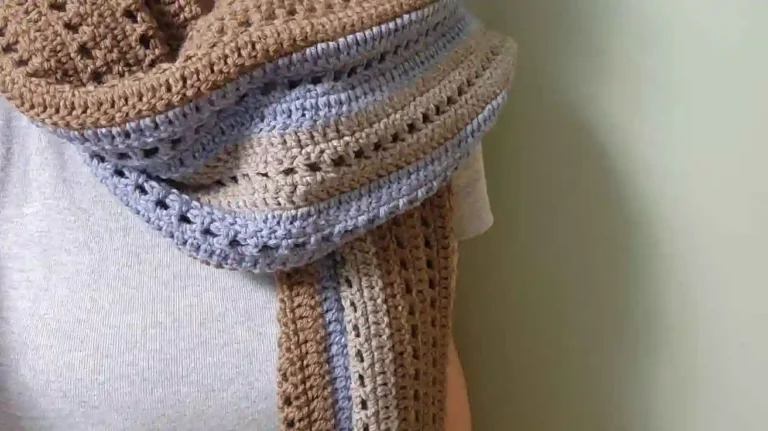
A striped design can be made with two colors or several shades arranged in repeating sections. For a classic appearance, try cream and brown, navy and white, or gray and charcoal.
Crocheters can change colors at the beginning of a new row to keep the stripes neat. When working with multiple colors, weave in the yarn ends carefully to prevent loose strands from showing on the inside.
This style is also a useful way to use leftover yarn from previous projects.
9. Crochet Lace Sweater

A lace crochet sweater offers a lighter and more delicate appearance than a traditional chunky pullover. Its open stitches create beautiful patterns while allowing more airflow through the fabric.
This design works particularly well for spring, summer evenings, and layering over a camisole or simple tank top.
Look for patterns that use chain spaces, shell stitches, fans, or open mesh designs. Beginners can start with a simple repeating lace pattern before trying more detailed motifs.
Cotton and bamboo-blend yarns are attractive choices because they often create soft, flowing fabric.
10. Crochet Hooded Sweater

A hooded crochet sweater combines the comfort of a casual pullover with the relaxed appearance of a hoodie.
The hood is usually created by working a separate rectangular or shaped section and joining it around the neckline. Some patterns also include a front pocket for a practical finishing detail.
Chunky yarn gives this design a warm and cozy feel, while lighter yarn creates a more flexible everyday garment.
Before choosing a pattern, check how the hood is constructed. A well-shaped hood should sit comfortably around the head without pulling the neckline backward.
11. Crochet Patchwork Sweater

Patchwork sweaters are perfect for crocheters who enjoy mixing colors and textures. Instead of using one repeated design throughout, they combine different panels, squares, and stitch patterns.
A patchwork sweater can feature simple stripes, granny squares, solid blocks, and textured sections. This gives each finished garment a unique appearance.
It is also a great opportunity to experiment with leftover yarn. However, try to use yarns with similar thickness and care requirements so the finished fabric behaves consistently.
Lay out the pieces before joining them. This makes it easier to balance the colors and avoid placing similar shades too close together.
12. Crochet Summer Sweater

Not every crochet sweater needs to be thick and warm. A summer sweater can be made with lightweight cotton yarn and breathable stitches.
Openwork patterns, loose sleeves, and relaxed shapes help create a garment suitable for mild weather and cool evenings.
White, beige, pale yellow, soft blue, and natural cotton shades work beautifully for summer clothing.
When selecting a pattern, look for lightweight yarn recommendations and an open stitch design. Avoid choosing a heavy winter sweater pattern and simply changing the yarn, because the construction and stitch density may not produce the desired result.
How to Choose the Best Crochet Sweater Pattern
Before starting a new project, consider the amount of time, yarn, and crochet experience required. A sweater may look simple in a photograph, but its construction can involve several different techniques.
Here are five important things to check before choosing a free pattern.
| What to check | Why it matters |
|---|---|
| Skill level | Helps match the pattern to current crochet experience. |
| Yarn weight | Determines the thickness, drape, and warmth of the sweater. |
| Hook size | Affects stitch size and overall fabric density. |
| Size range | Ensures the pattern includes suitable measurements. |
| Construction | Shows whether the sweater uses panels, motifs, or seamless rounds. |
Choose a Pattern That Matches Your Skill Level
Beginners should look for patterns with simple stitches, clear photographs, and detailed instructions. A sweater made from two large rectangles and two sleeves is often easier to understand than a fitted garment with complicated shaping.
Intermediate crocheters can explore raglan sweaters, granny square construction, lace details, and more fitted silhouettes.
Advanced crocheters may enjoy cable stitches, colorwork, textured panels, and custom garment shaping.
Check the Yarn Requirements
Always read the yarn information before purchasing supplies.
A pattern written for bulky yarn cannot automatically be made with lightweight cotton without adjusting the hook size, stitch counts, and finished measurements.
Also check the recommended yardage. Sweaters require considerably more yarn than small accessories, and running out halfway through can be frustrating.
Look for Clear Size Instructions
A good pattern should provide more than a small, medium, or large label. Look for actual finished bust measurements, body length, sleeve length, and suggested ease.
Positive ease means the finished garment is larger than the wearer’s body measurement. For example, a sweater with 42 inches of finished bust circumference worn by someone with a 38-inch bust has 4 inches of positive ease.
This information makes choosing the right size much easier.
Essential Materials for Crochet Sweaters

Having the right supplies ready makes the crocheting process more enjoyable. Most sweater projects require only a few basic materials.
- Yarn: Choose the yarn weight and fiber recommended by the pattern.
- Crochet hooks: Use the hook size specified in the instructions.
- Measuring tape: Measure the body, panels, and finished garment.
- Stitch markers: Mark important sections, increases, decreases, and sleeve openings.
- Scissors: Keep a sharp pair nearby for cutting yarn.
- Tapestry needle: Use it to sew seams and weave in loose ends.
- Row counter: Helpful for keeping track of longer projects.
Which Yarn Is Best for Crochet Sweaters?
The best yarn depends on the season, stitch pattern, and desired fit.
| Yarn type | Best use |
|---|---|
| Acrylic | Affordable, easy-care everyday sweaters |
| Cotton | Lightweight summer sweaters |
| Merino wool | Soft and warm winter garments |
| Wool blends | Warmth with added durability or softness |
| Bamboo blends | Soft, flowing, lightweight designs |
A useful tip is to check the yarn label for washing instructions. Handmade sweaters need proper care to maintain their shape and texture.
How to Crochet a Sweater Step by Step
A first sweater does not need to involve complicated techniques. One of the easiest approaches is to choose a beginner-friendly pattern made from separate panels.
The following steps explain the general process. Always follow the stitch counts, measurements, and construction instructions in the selected pattern.
Step 1: Select a Suitable Sweater Pattern

Start by choosing a design that matches your experience.
A simple oversized pullover or rectangle cardigan is a good starting point. Read the complete instructions before buying yarn, and check whether the pattern includes a video tutorial.
Make a note of the recommended yarn weight, hook size, gauge, and finished measurements.
Step 2: Make a Crochet Gauge Swatch
A gauge swatch is a small sample of crochet fabric used to check stitch and row measurements.
Most patterns provide a gauge measurement, such as a certain number of stitches and rows over a 4-inch square.
Create a swatch using the recommended yarn and hook. Measure it after following the pattern’s care instructions, especially if the garment will be washed before wearing.
If the swatch is too small, try a larger hook. If it is too large, try a smaller hook. Check the pattern again to make sure both stitch and row gauge are close to the recommended measurements.
Why this matters: A small difference in gauge can become a much bigger difference across an entire sweater.
Step 3: Crochet the Main Sweater Pieces
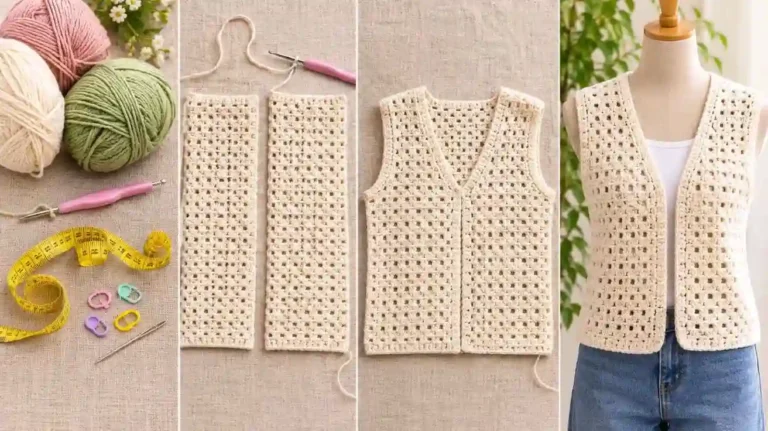
For a traditional panel-style sweater, the main pieces usually include:
- One front panel.
- One back panel.
- Two sleeves.
Work each piece according to the pattern instructions. Keep track of the row count and check the measurements regularly.
If the pattern includes shaping around the neckline or shoulders, follow those instructions carefully rather than making every panel rectangular.
Step 4: Join the Panels and Attach the Sleeves

Once the main pieces are complete, arrange them according to the assembly instructions.
Use stitch markers to hold the edges together before sewing. This helps prevent the fabric from shifting while joining the pieces.
Common joining methods include:
- Whip stitch.
- Mattress stitch.
- Slip stitch joining.
- Single crochet joining.
Choose the method recommended by the pattern. A neat seam makes a noticeable difference to the finished garment.
Step 5: Finish the Neckline, Cuffs, and Hem
The finishing details help transform separate crochet pieces into a complete sweater.
Depending on the design, add ribbing around the neckline, wrists, and bottom edge. Check that the cuffs feel comfortable and that the neckline sits naturally.
Weave in loose yarn ends using a tapestry needle. Avoid cutting the ends too close to the fabric before securing them properly.
Step 6: Block and Care for the Finished Sweater

Blocking can help even out stitches and improve the shape of a finished garment.
Choose a blocking method suitable for the yarn fiber. Wet blocking may work for some fibers, while gentle steam blocking may be appropriate for others. Always check the yarn manufacturer’s care instructions and avoid excessive heat.
Lay the sweater flat to dry when recommended. Never stretch it aggressively, as this can distort the fabric.
Helpful Tips for Making Crochet Sweaters That Fit Beautifully
Even a well-written pattern needs careful attention during construction. These practical suggestions can help avoid common mistakes.
Measure before starting. Use body measurements instead of relying only on clothing size labels.
Check the gauge twice. Make a swatch before starting and recheck your stitch tension after crocheting several inches.
Try the garment on when possible. For top-down and seamless designs, regular fitting checks can help identify problems early.
Use stitch markers. They make it easier to identify sleeve openings, shoulder sections, and shaping points.
Choose comfortable yarn. A sweater may take many hours to complete, so select a fiber that feels pleasant against the skin.
Keep extra yarn. Buying an additional skein from the same dye lot can help avoid color differences if more yarn is needed.
A Useful Sweater-Making Trick: Calculate the Fit Before Adding Length
One common mistake is continuing to crochet the body without checking its width.
Instead, compare the width of the fabric against the finished bust measurement before adding many more rows. If the pattern is worked in separate panels, remember that the front and back panels together determine the garment’s overall circumference.
This small check can prevent hours of unnecessary work and helps avoid a sweater that looks beautiful but feels uncomfortable.
Common Crochet Mistakes For Beginners
Where to Find Crochet Sweaters Free Patterns Online
There are several useful websites where crocheters can discover free garment patterns, read detailed instructions, and learn new techniques.
Here are some places worth exploring:
- Make & Do Crew: Its Rectangle Cardigan beginner crochet pattern is a good example of how simple construction can create a wearable garment. Make & Do Crew
- Kiks + Jack Crochet: The Your First Crochet Beginner Sweater is a made-to-measure design using half double crochet stitches.
- TL Yarn Crafts: A useful place to explore granny square garment designs, including the Joan Granny Sweater.
- Ravelry: Search its pattern database and filter by craft, garment type, skill level, and free availability.
- Yarnspirations: Explore free sweater and cardigan instructions with yarn recommendations.
Before beginning, check whether the complete written instructions are free. Some designers offer free online instructions but charge for downloadable, printable PDF versions.
Frequently Asked Questions About Crochet Sweaters
1. Can beginners crochet their own sweaters?
Yes! Beginners can make sweaters using simple stitches such as single crochet, half double crochet, and double crochet. Starting with an oversized sweater made from rectangular panels is often easier than attempting a fitted design with complicated shaping.
2. What is the easiest crochet sweater pattern for beginners?
A rectangle-style sweater is one of the easiest options. It usually involves crocheting a front panel, a back panel, and two sleeves before joining the pieces together. Patterns with video tutorials and clear measurements are especially helpful.
3. How much yarn is needed to crochet a sweater?
The amount depends on the sweater size, yarn weight, stitch pattern, and design. An adult sweater may require approximately 1,000–2,000 yards of yarn, although some chunky or oversized designs need more. Always check the yardage listed in the pattern.
4. What crochet stitch is best for sweaters?
Half double crochet, double crochet, single crochet, moss stitch, and granny stitch are popular choices. Half double crochet creates a relatively dense fabric, while open lace stitches are useful for lightweight garments.
5. Are crochet sweaters suitable for summer?
Yes! Summer sweaters can be made using lightweight cotton or bamboo-blend yarn. Openwork stitches, loose sleeves, and breathable designs create comfortable garments for mild weather and cool evenings.