Crochet Vests Free Patterns: 12 Stylish Designs to Try
Crochet vests are a wonderful way to add handmade style to your wardrobe without making a complicated garment. Whether you love relaxed boho outfits, cozy layering pieces, or modern fashion, there are plenty of crochet vests free patterns to help you create something beautiful.
One of the best things about crocheting a vest is that many designs use simple shapes and basic stitches. You don’t always need advanced garment-making skills to create a comfortable, fashionable piece. Even beginners can find patterns with straightforward construction and easy-to-follow instructions.
In this guide, we’ll explore 12 beautiful crochet vest styles, from classic granny square designs to lightweight summer layers. You’ll also discover how to choose yarn, measure your size, understand pattern instructions, and make a vest that fits your personal style.
12 Beautiful Crochet Vests Free Patterns to Explore
There are many different ways to crochet a vest. Some designs use two simple panels, while others feature decorative granny squares, lace stitches, or textured patterns.
Here are 12 styles worth exploring when choosing your next project.
1. Classic Granny Square Crochet Vest

A granny square vest is a lovely choice if you enjoy colorful crochet projects. Instead of making the entire garment in one piece, you create individual squares and join them to form the front and back.
You can use traditional multicolored squares or choose one neutral shade for a more modern appearance.
What makes it special:
- Great for using leftover yarn.
- Easy to customize with different colors.
- Suitable for advanced beginners.
- Works beautifully with jeans and simple dresses.
For inspiration, explore the free Bohemian Crochet Vest Pattern from Make & Do Crew.
2. Simple Beginner Crochet Vest

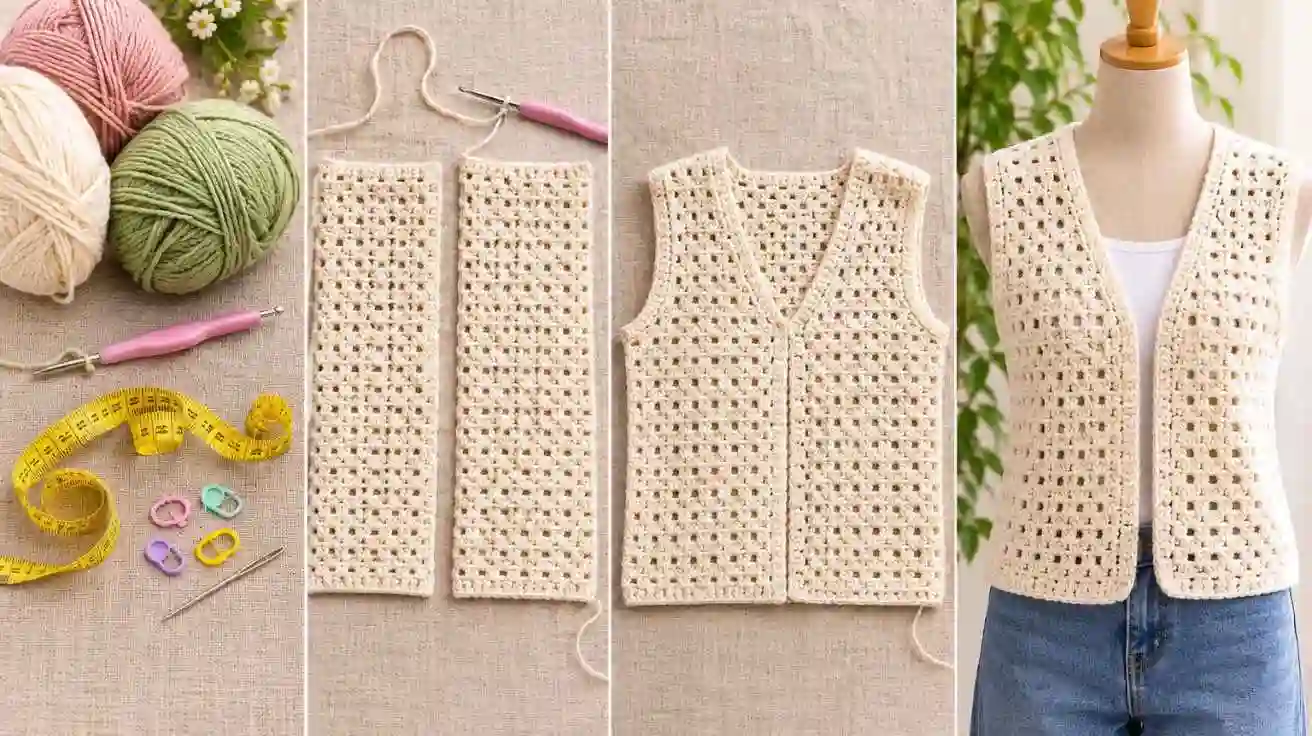
If this is your first wearable crochet project, start with a simple vest made from rectangular panels. This construction method removes much of the complicated shaping found in traditional garments.
You crochet a back panel and two front sections, then join them at the shoulders and sides while leaving openings for your arms.
Choose a soft worsted-weight or DK yarn and a comfortable hook size. A neutral shade such as cream, beige, or light gray creates a timeless piece.
3. Boho Crochet Vest with Fringe

A fringe crochet vest is perfect for anyone who loves relaxed bohemian fashion. The loose shape and decorative fringe create movement, making this style especially attractive over fitted tops and summer dresses.
You can use simple mesh stitches, extended single crochet, or openwork patterns to create a lightweight fabric.
Styling idea: Choose earthy colors such as rust, mustard, olive green, or natural beige. Add long fringe along the bottom edge for a traditional boho finish.
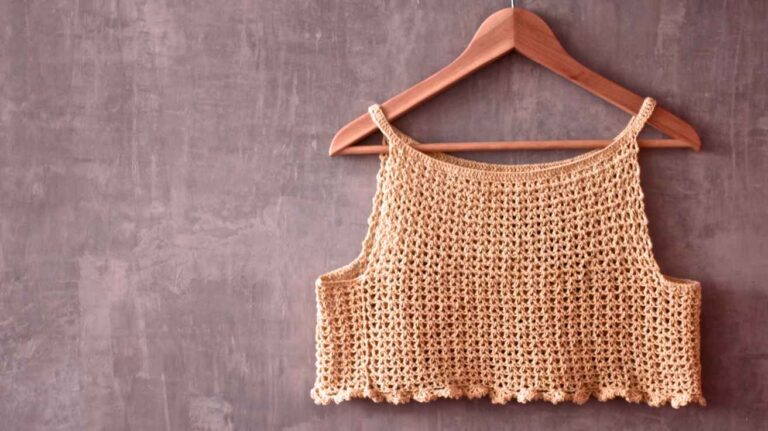
4. Crochet Summer Mesh Vest

A mesh vest is an excellent option for warmer weather. Its open stitches allow air to pass through, making it comfortable to wear over a tank top or lightweight dress.
This style often uses chain spaces combined with double crochet stitches. Once you understand the repeating pattern, the fabric grows quickly.
Cotton yarn is a practical choice because it creates a breathable fabric and gives the finished vest a natural appearance.
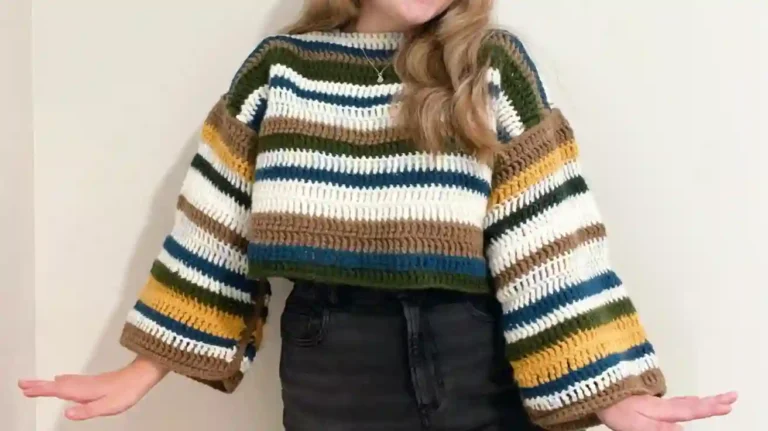
5. Oversized Crochet Sweater Vest

Oversized sweater vests are comfortable, fashionable, and easy to style. They usually feature a relaxed body, generous armholes, and a simple neckline.
You can make this design with half double crochet or double crochet stitches. For a cozy appearance, choose medium or bulky yarn.
One useful tip is to check the finished bust measurement before starting. Oversized designs need extra room, but too much additional width can make the shoulders uncomfortable.
6. Crochet V-Neck Vest

A V-neck vest is a classic wardrobe piece that never feels out of place. The neckline creates a flattering shape and makes the garment easy to layer over shirts and blouses.
The main body can use basic stitches, while decreases along the front neckline create the V shape.
For a polished finish, add ribbed edging around the neckline, armholes, and bottom hem.
7. Crochet Cropped Vest

A cropped crochet vest is a fun choice for creating a youthful and modern outfit. Its shorter length looks beautiful with high-waisted jeans, skirts, and dresses.
You can make it with basic double crochet stitches or decorative granny stitch rows. For a more fitted design, measure your waist and bust before deciding the panel width.
Pastel pink, lavender, sage green, and cream are attractive color choices for this style.
8. Crochet Vest with Buttons

A button-front vest combines handmade charm with practical everyday style. It can be worn open or closed, making it a versatile addition to your wardrobe.
The design usually features two front panels, a back panel, and button bands. You can create buttonholes using chain spaces along one front edge.
Wooden buttons give the vest a natural, rustic appearance, while small neutral buttons create a cleaner finish.
9. Hooded Granny Square Crochet Vest

Want something different from a traditional vest? Try a hooded crochet design.
This style combines the familiar granny square construction with a comfortable hood. You can use two or three colors to create a patchwork appearance or choose a single shade for a simpler look.
It is particularly suitable for cooler days when you want an extra layer without wearing a full sweater.
10. Long Crochet Duster Vest

A long crochet duster vest creates an elegant layered outfit. Its extended length adds movement and works especially well with fitted trousers, leggings, and simple dresses.
Use lightweight yarn and an open stitch pattern to prevent the garment from becoming too heavy.
You can also add a belt or decorative fringe to personalize the finished design.
11. Textured Crochet Vest

If you prefer simple colors but want your garment to stand out, try a textured crochet vest.
You can create attractive surfaces with front-post double crochet, back-post double crochet, puff stitches, or the third-loop half double crochet technique.
These stitches add depth without requiring complicated color changes.
A single-color textured vest is also a thoughtful handmade gift because it can complement many different outfits.
12. Colorful Patchwork Crochet Vest

A patchwork vest gives you the freedom to experiment with colors, shapes, and different stitch patterns.
You can combine small crochet squares, rectangles, and geometric motifs to create a unique garment. It is also a useful project for using leftover yarn from previous creations.
For a balanced appearance, select three to five complementary colors and repeat them throughout the design.
My tip: Keep one consistent border color around all the motifs. This small detail helps different colors and shapes look like one coordinated garment.
How to Choose the Best Crochet Vest Pattern
Before starting, think about your experience, the season you plan to wear the vest, and the amount of time you can spend making it.
Here is a simple comparison to help you choose.
| Vest style | Suggested skill level | Best for |
|---|---|---|
| Granny square vest | Beginner–intermediate | Colorful designs |
| Simple panel vest | Beginner | First garments |
| Fringe vest | Beginner–intermediate | Boho outfits |
| Mesh vest | Beginner | Summer layering |
| Oversized vest | Beginner | Casual outfits |
| V-neck vest | Intermediate | Everyday fashion |
| Cropped vest | Beginner–intermediate | Modern outfits |
| Button-front vest | Intermediate | Versatile styling |
| Hooded vest | Intermediate | Cooler weather |
| Long duster vest | Beginner–intermediate | Layering |
| Textured vest | Intermediate | Detailed designs |
| Patchwork vest | Beginner–intermediate | Scrap yarn projects |
Materials You Need to Crochet a Vest
Gathering the correct materials before starting makes your project easier and helps you avoid interruptions.

Here are the basic supplies:
- Yarn: Choose cotton, acrylic, wool, or a suitable blend depending on the pattern.
- Crochet hook: Use the hook size recommended by your chosen pattern.
- Measuring tape: Essential for checking your body measurements and finished panels.
- Stitch markers: Helpful for marking armholes, necklines, and important sections.
- Tapestry needle: Use it to join panels and weave in loose ends.
- Scissors: Keep a small pair nearby for cutting yarn.
- Blocking materials: Blocking mats and rust-resistant pins help shape your finished garment.
What Is the Best Yarn for Crochet Vests?
The best yarn depends on the vest’s purpose and the fabric you want to create.
| Yarn type | Best use |
|---|---|
| Cotton | Lightweight summer vests |
| Acrylic | Affordable everyday garments |
| Merino wool | Warm and soft winter layers |
| Cotton-acrylic blend | Comfortable all-season designs |
| Alpaca blend | Soft, cozy layering pieces |
For a first project, medium-weight acrylic or a cotton-acrylic blend is a practical choice. It is generally easy to handle and comes in many colors.
Always check the yarn requirements in your chosen pattern before purchasing supplies.
How to Crochet a Simple Vest Step by Step
You don’t need an advanced pattern to make a beautiful vest. A basic two- or three-panel construction is a good starting point for beginners.
The following instructions explain a simple sleeveless vest using rectangular panels. This is a construction guide, not a graded, ready-to-wear pattern. You will need to adjust the measurements and stitch counts to your body and gauge.
Step 1: Choose Your Yarn and Crochet Hook

Start by choosing a yarn that feels comfortable against your skin. For a lightweight vest, cotton or a cotton blend works well. For a warmer garment, consider acrylic or wool blends.
Read the pattern’s yarn label recommendations and select the appropriate crochet hook.
Before beginning the garment, crochet a small gauge swatch. This helps you check whether your stitches match the pattern’s measurements.
Step 2: Take Your Body Measurements

Good measurements are essential for creating a vest that fits properly.
Measure these areas:
- Bust: Measure around the fullest part of your chest.
- Waist: Measure around your natural waistline.
- Shoulder width: Measure across your shoulders.
- Vest length: Measure from your shoulder to your preferred hemline.
- Armhole depth: Measure from the top of your shoulder to the desired bottom of the arm opening.
Compare your measurements with the pattern’s finished garment measurements. Remember that a vest may need extra room, known as positive ease, to fit comfortably over another top.
Step 3: Crochet the Back Panel

Begin with the back panel. Create a foundation chain that matches your desired panel width and the stitch multiple required by your selected pattern.
Work the rows using the stitch specified in your instructions. Single crochet creates a dense fabric, while double crochet produces a lighter and more flexible texture.
Continue until the panel reaches your desired length.
Keep checking the width and length as you work. This helps prevent sizing problems later.
Step 4: Crochet the Two Front Panels

Next, make the two front panels.
For a basic open-front vest, crochet two pieces that match the required width and length. If you want a V-neck design, gradually shape the inside edges according to your chosen pattern.
Use stitch markers to keep track of decreases and important measurements.
Try to make both panels equal in length so that the shoulders and bottom edges line up neatly.
Step 5: Join the Panels Together

Place the back panel on a flat surface and arrange the two front panels on top.
Join the shoulder sections first, leaving the neckline opening. Then join the side edges, leaving enough space for the armholes.
You can use a whip stitch or mattress stitch to connect the pieces.
Avoid pulling the joining yarn too tightly. Tight seams can make the vest uncomfortable and restrict movement.
Step 6: Add the Neckline and Armhole Edging

Once the main pieces are joined, add a neat border around the neckline, armholes, and bottom edge.
Single crochet is a simple option for clean edging. If you want a more structured appearance, try ribbing made with back-loop-only stitches.
Work evenly around the edges to avoid creating unwanted waves or tight sections.
Step 7: Weave in Ends and Block Your Vest

Finally, use a tapestry needle to weave in all loose yarn ends. Check the seams, neckline, and armholes to make sure everything is secure.
Block the vest according to the yarn manufacturer’s care instructions. Wet blocking, steam blocking, or gentle shaping may be suitable depending on the fiber.
Allow the garment to dry completely before wearing it.
Finished project You now have a handmade crochet vest ready to style with your favorite outfits!
Helpful Tips for Making Beautiful Crochet Vests
A few small decisions can make a big difference in the final appearance and comfort of your garment.
1. Always Make a Gauge Swatch
Gauge tells you how many stitches and rows fit into a specific measurement. If your gauge is different from the pattern, your vest may turn out too large or too small.
Make a swatch before starting, especially when using a different yarn brand.
2. Choose Colors That Work Together
If you’re making a granny square or patchwork vest, select a coordinated color palette.
Some attractive combinations include:
- Cream, beige, and brown.
- Sage green, ivory, and mustard.
- Dusty pink, lavender, and white.
- Rust, terracotta, and oatmeal.
- Navy, gray, and cream.
3. Check the Fit Before Joining
Lay your front and back panels together before sewing. Compare their measurements with your body measurements and the pattern’s finished dimensions.
This is the best opportunity to correct a sizing issue without undoing finished seams.
4. Use the Correct Crochet Terms
Crochet patterns may use US or UK terminology. These terms are not always interchangeable.
For example:
| US crochet term | UK crochet term |
|---|---|
| Single crochet (sc) | Double crochet (dc) |
| Half double crochet (hdc) | Half treble crochet (htr) |
| Double crochet (dc) | Treble crochet (tr) |
| Treble crochet (tr) | Double treble crochet (dtr) |
Always check which terminology the designer uses before starting.
5. Think About Weight and Drape
A vest made with bulky yarn may look attractive but can become heavy. For a long duster or oversized garment, lighter yarn and open stitches can create a more comfortable result.
This is especially important when making garments for warm climates.
Common Crochet Mistakes For Beginners : 15 Easy Fixes
Where to Find More Free Crochet Vest Patterns
If you want more designs beyond the 12 styles above, these resources are worth exploring:
- Yarnspirations – Free garment patterns, including classic sweater vests and granny square designs.
- Lion Brand Yarn – Free crochet patterns with yarn recommendations and skill-level information.
- Hobbii – A collection of free vest and slipover patterns.
- Make & Do Crew – A beautiful bohemian granny square vest with a free written tutorial.
- Ravelry – A large pattern database where you can filter designs by craft, garment type, and availability.
Check each pattern’s individual page to confirm that its instructions are currently free. Some designers offer free online instructions alongside paid printable PDFs.
Frequently Asked Questions
1. Are crochet vests easy for beginners?
Yes! Many crochet vests are beginner-friendly because they use simple stitches and basic shapes. Designs made from two rectangular panels are particularly suitable for beginners. Start with single crochet or double crochet before trying more detailed granny square patterns.
2. How much yarn do I need to crochet a vest?
The amount depends on the garment size, yarn weight, stitch pattern, and finished length. A small cropped vest may require considerably less yarn than a long oversized vest. Always check the yardage requirements in your selected pattern and purchase a little extra for safety.
3. What is the best crochet stitch for a vest?
Single crochet, half double crochet, and double crochet are popular choices. Granny stitches and V-stitches are also excellent for creating decorative and breathable garments. The best stitch depends on the texture and drape you want.
4. Can I crochet a vest without sewing?
Yes! Some patterns use seamless construction or join-as-you-go techniques. You can also crochet certain vests in one continuous piece. However, traditional panel designs usually require some joining at the shoulders and sides.
5. Can I make crochet vests in different sizes?
Absolutely. Many patterns include multiple sizes, while simple rectangular designs can be adjusted by changing the panel width and length. Always check your gauge and finished measurements before making modifications.

One Comment