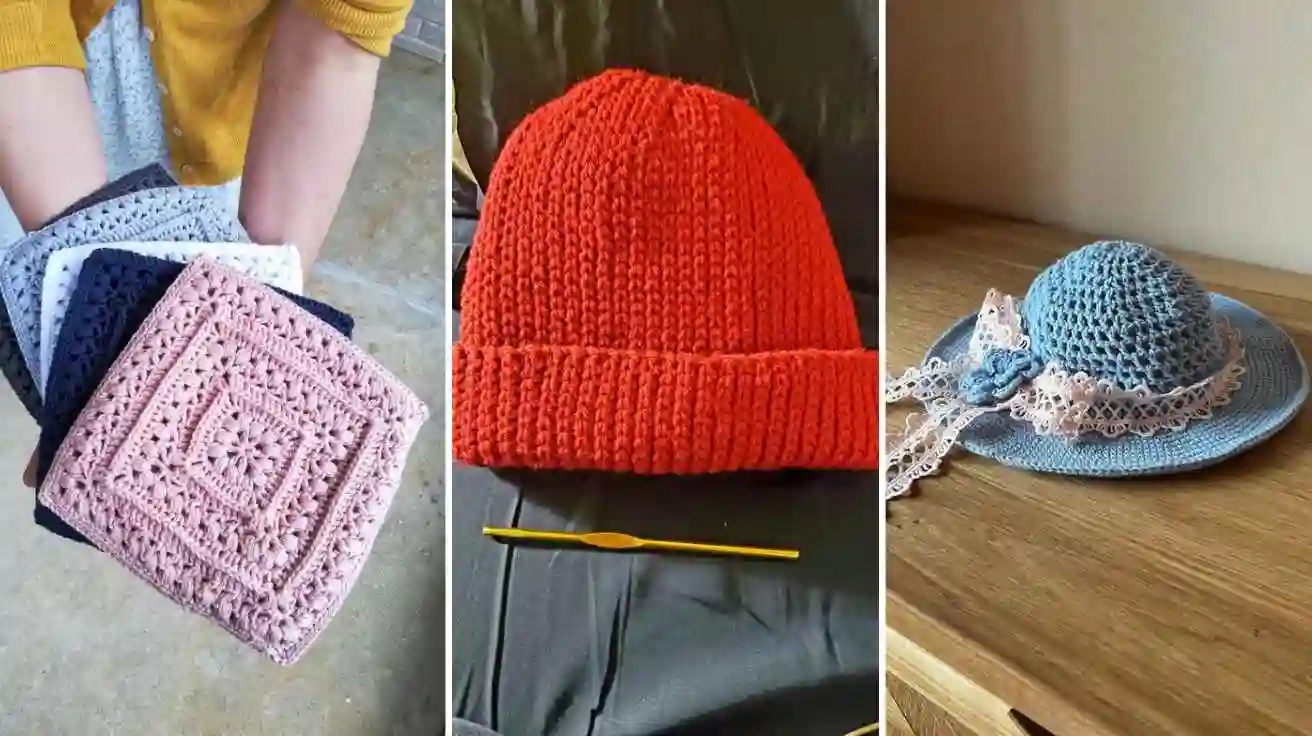
Beginner Crochet Projects One Skein: 15 Easy Ideas
Have one beautiful skein of yarn sitting in your stash and no idea what to make with it? You’re not alone. Fortunately, there are plenty of beginner crochet projects one skein can turn into useful, giftable, and satisfying finished pieces.
One-skein projects are especially helpful when you’re learning because they keep the commitment small. You can practice basic stitches, improve your tension, and finish something without spending weeks on a blanket or sweater.
In this guide, you’ll find 15 beginner-friendly one-skein crochet ideas, including dishcloths, coasters, hats, headbands, cowls, bags, and more. You’ll also learn how to choose the right yarn, estimate whether one skein is enough, and avoid the most common beginner mistake: running out of yarn just before the project is finished.


What Can You Crochet With One Skein?
A single skein can make many small crochet projects, including dishcloths, coasters, hats, headbands, cowls, mug cozies, market bags, bookmarks, washcloths, and small baskets. The exact possibilities depend on the skein’s yarn weight and yardage.
The most important detail is not simply the skein’s weight in grams. Check the yardage or meterage on the yarn label and compare it with the pattern requirements.
One-skein crochet collections commonly include accessories, home projects, and quick gifts because these projects require less yarn and are easier to complete than large garments or blankets.
Quick guide to one-skein projects
| Project | Beginner skill | Typical yarn choice | Why it’s a good first project |
|---|---|---|---|
| Dishcloth | Very easy | Worsted cotton | Flat and repetitive |
| Coasters | Very easy | Cotton | Small and quick |
| Granny square | Easy | DK or worsted | Teaches working in rounds |
| Bookmark | Very easy | DK or cotton | Uses very little yarn |
| Headband | Easy | Worsted or bulky | Quick wearable |
| Mug cozy | Easy | Cotton or acrylic | Small and useful |
| Washcloth | Very easy | Cotton | Great stitch practice |
| Basic beanie | Easy | Worsted or bulky | Introduces shaping |
| Cowl | Easy | Bulky or worsted | Fast and practical |
| Small basket | Easy | Bulky cotton or cord | Teaches structure |
| Market bag | Easy–moderate | Cotton | Useful and reusable |
| Fingerless gloves | Moderate | DK or worsted | Introduces shaping |
| Simple scarf | Easy | DK or worsted | Excellent tension practice |
| Potholder | Easy | Cotton | Practical home project |
| Baby hat | Easy | DK or worsted | Small and giftable |
Featured-snippet answer: The best one-skein crochet projects for beginners are small, simple designs such as dishcloths, coasters, granny squares, headbands, mug cozies, and basic hats. Choose a pattern whose required yardage is comfortably below the amount on your skein.
15 Beginner Crochet Projects One Skein Can Make
The best project depends on the yarn you already have. Start by checking its weight, fiber, yardage, and recommended hook size rather than choosing a pattern based only on appearance.
1. Crochet Dishcloth
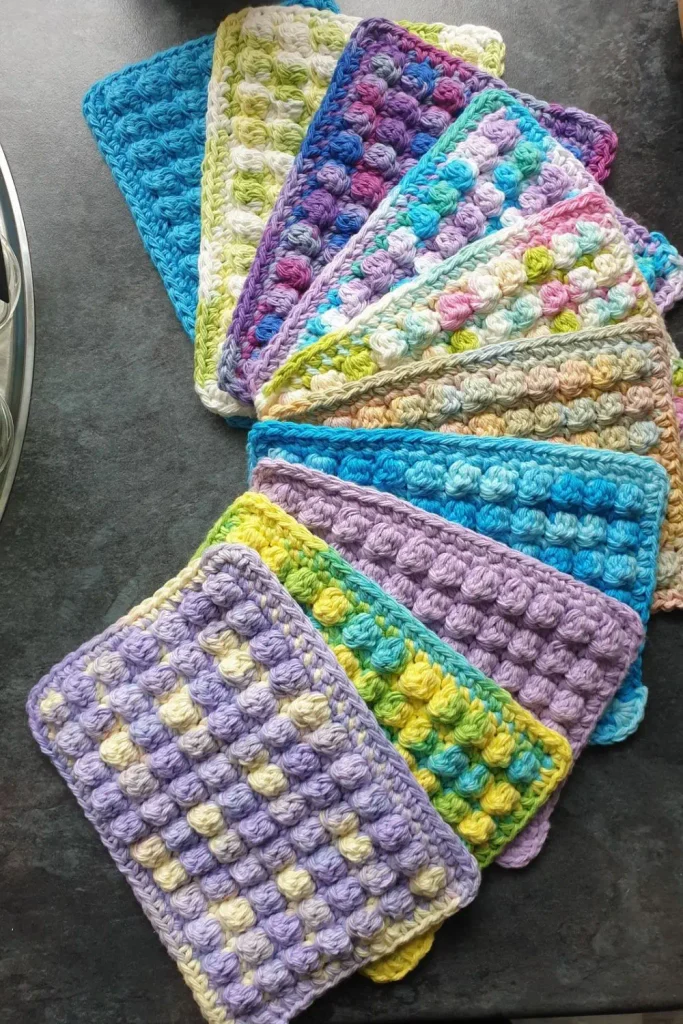
A dishcloth is one of the easiest beginner crochet projects one skein can produce.
Use worsted-weight cotton with a suitable hook and work simple rows of single crochet, half double crochet, or another beginner-friendly stitch. A small square can often be completed with far less than a full skein, leaving yarn for another small project.
Cotton is particularly useful for dishcloths because it is absorbent and designed for frequent washing.
Best for: Learning tension and counting stitches.
2. Crochet Coasters
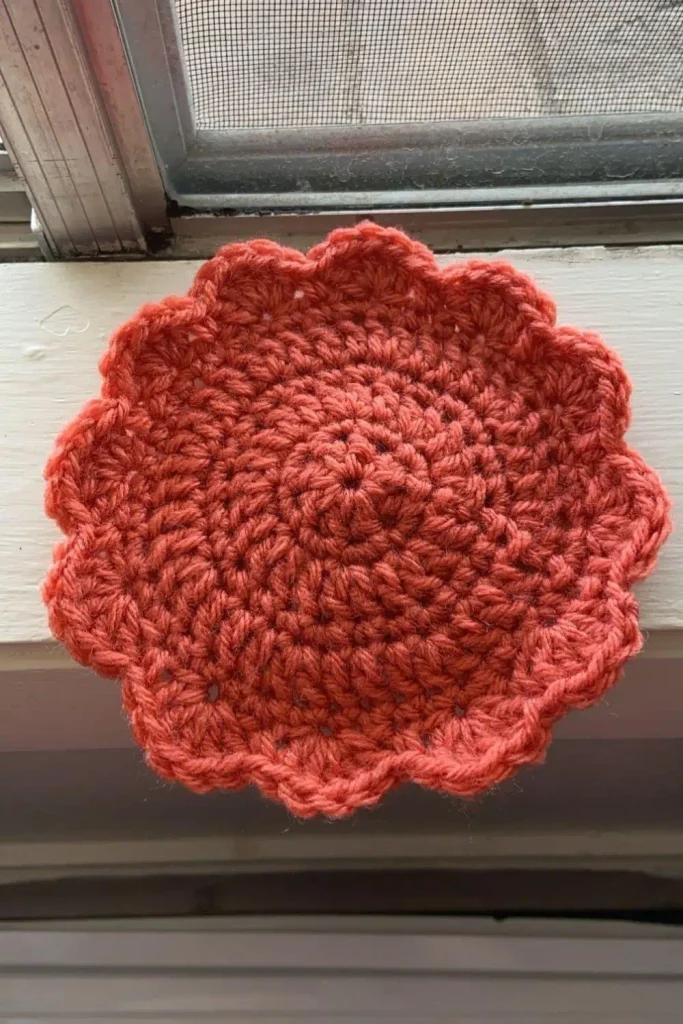
Coasters are even smaller than dishcloths, making them excellent for absolute beginners.
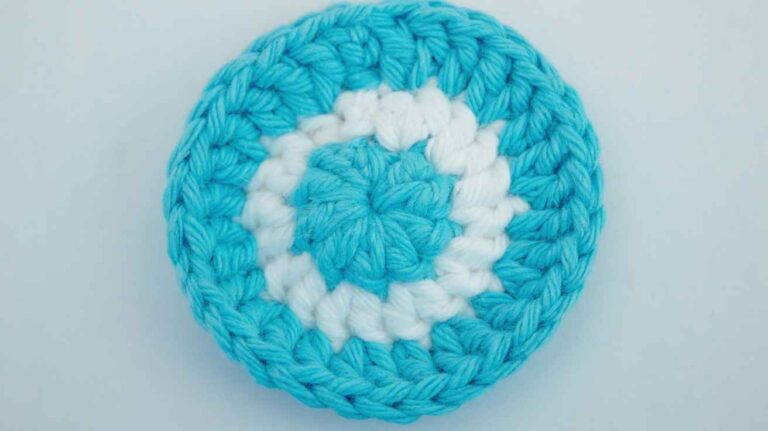
You can practice single crochet, half double crochet, double crochet, or a simple granny-square design. One skein can often make a small set, depending on the yarn and finished size.
Beginner tip: Make all four coasters the same size by counting your stitches and rounds rather than stopping when they “look big enough.”
3. Simple Granny Square
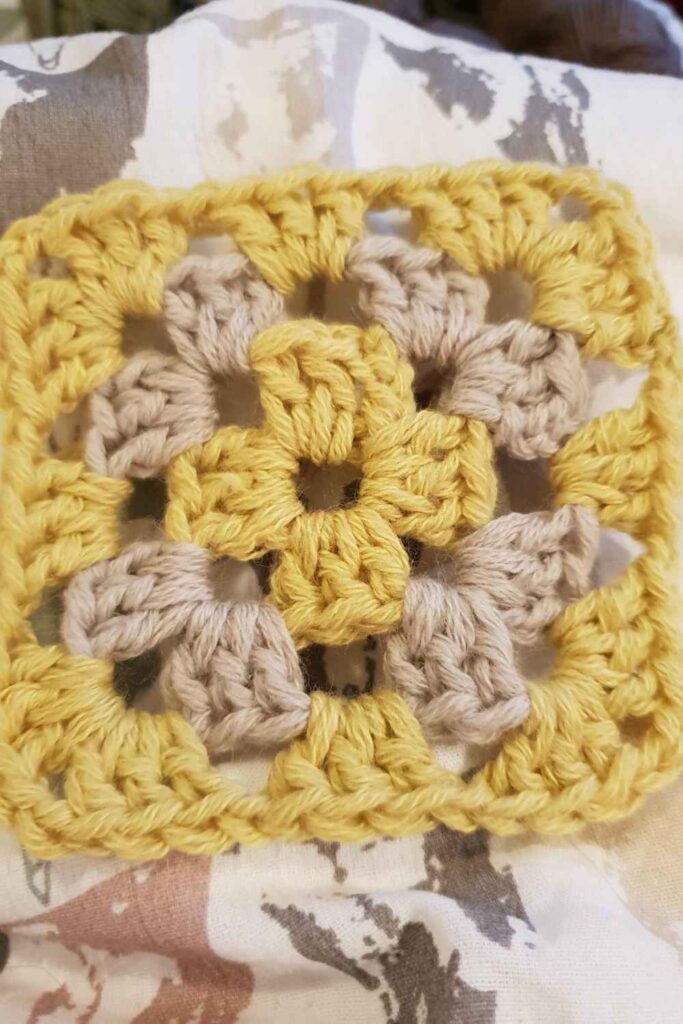
A granny square gives beginners a chance to move beyond straight rows.
It teaches you how to work around a center, identify corners, count repeated groups, and join rounds. A single square can also become a coaster, dishcloth, bag panel, or part of a larger project.
A granny square uses relatively little yarn; one current beginner guide notes that a single square can often use under 50 yards, although the exact amount depends on size and stitch pattern.
4. Crochet Bookmark
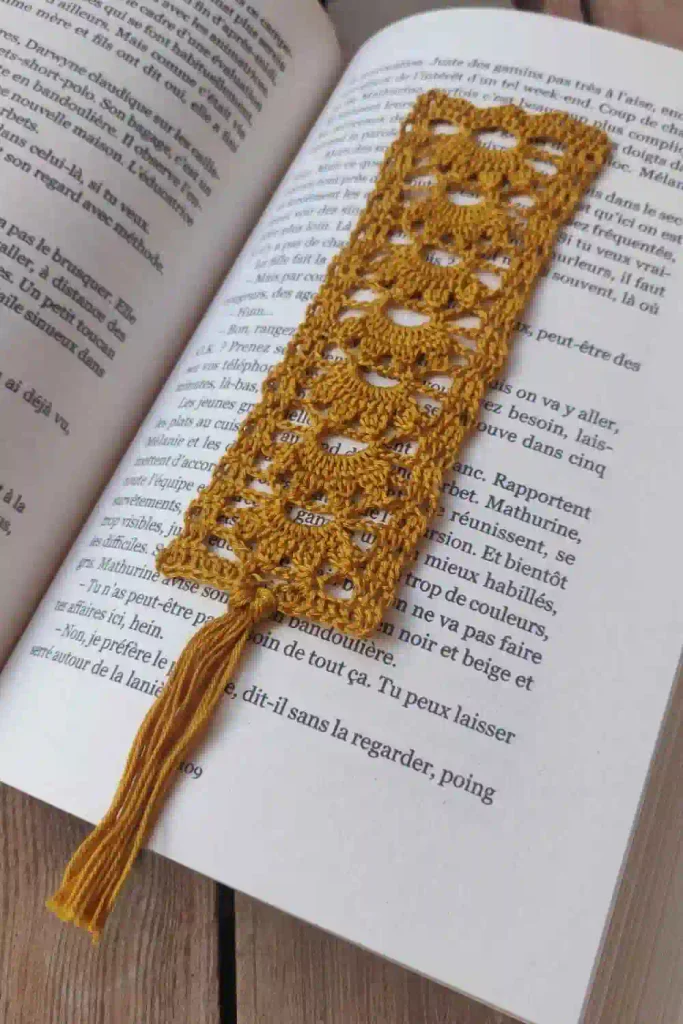
If you have a smaller or partial skein, make a bookmark.
A simple rectangle or narrow strip lets you practice chains, single crochet, double crochet, or an open lace pattern without worrying about using hundreds of yards.
This is also an excellent way to turn leftover yarn into a quick handmade gift.
5. Easy Crochet Headband
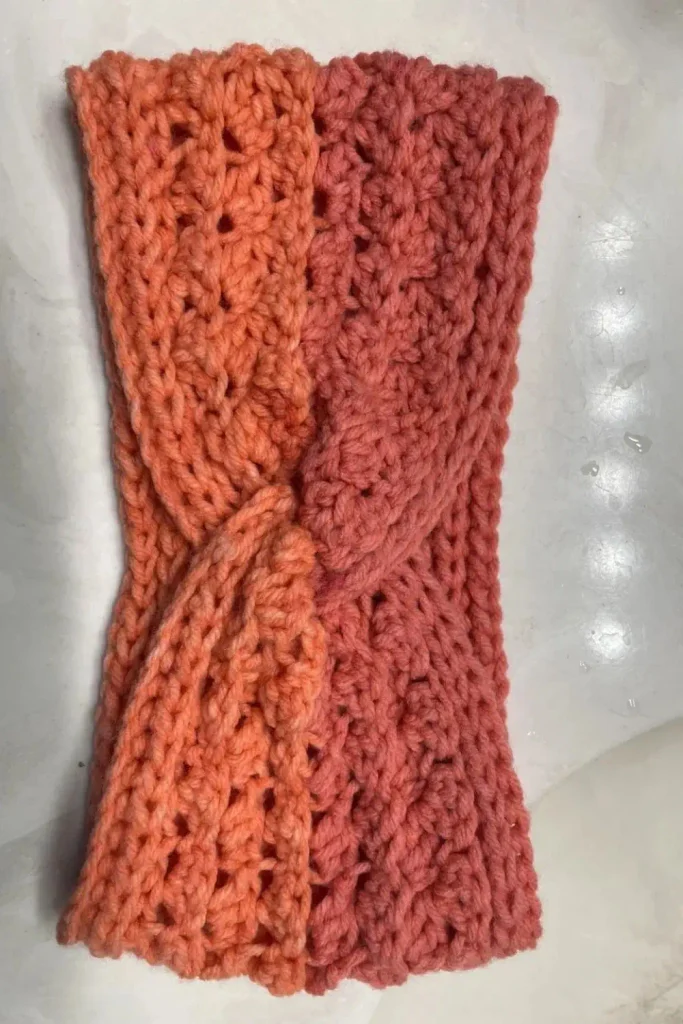
A crochet headband is a great step up from flat practice pieces.
Many beginner designs use a simple rectangle that is worked in rows and joined at the end. That means you can practice your stitch pattern without complicated shaping.
Bulky yarn makes a particularly fast headband, while DK or worsted yarn creates a lighter accessory.
6. Crochet Mug Cozy
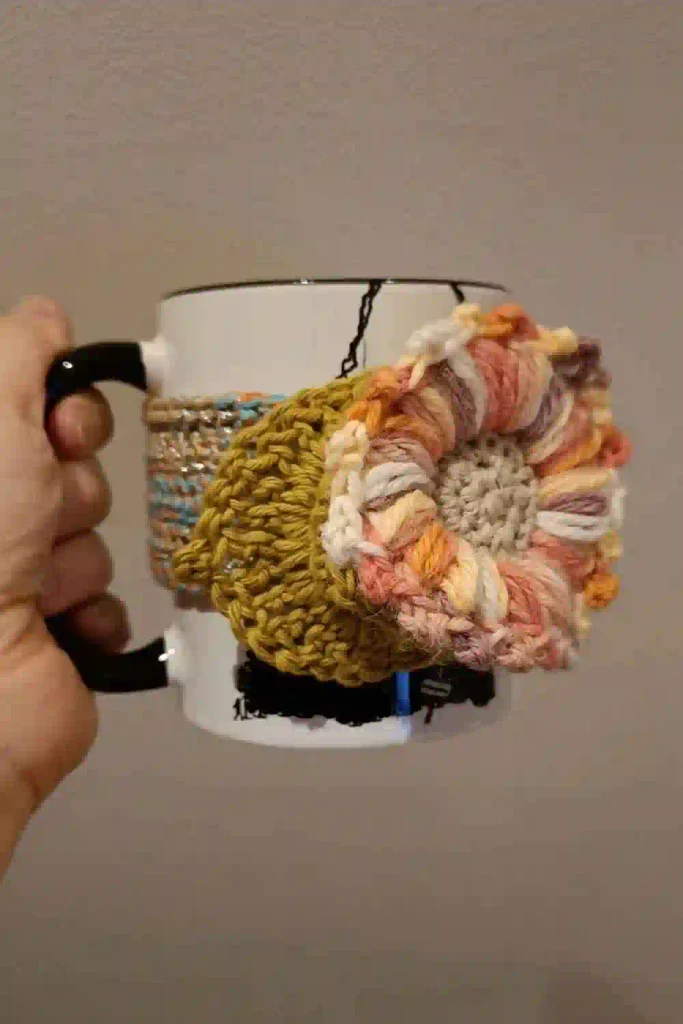
A mug cozy is small enough to finish quickly but useful enough to make again as a gift.
You can create one with rows of single or half double crochet and add a button or simple fastening. Just make sure the finished piece fits around the mug without being too tight.
Best for: Practicing consistent row height and simple finishing.
7. One-Skein Washcloth
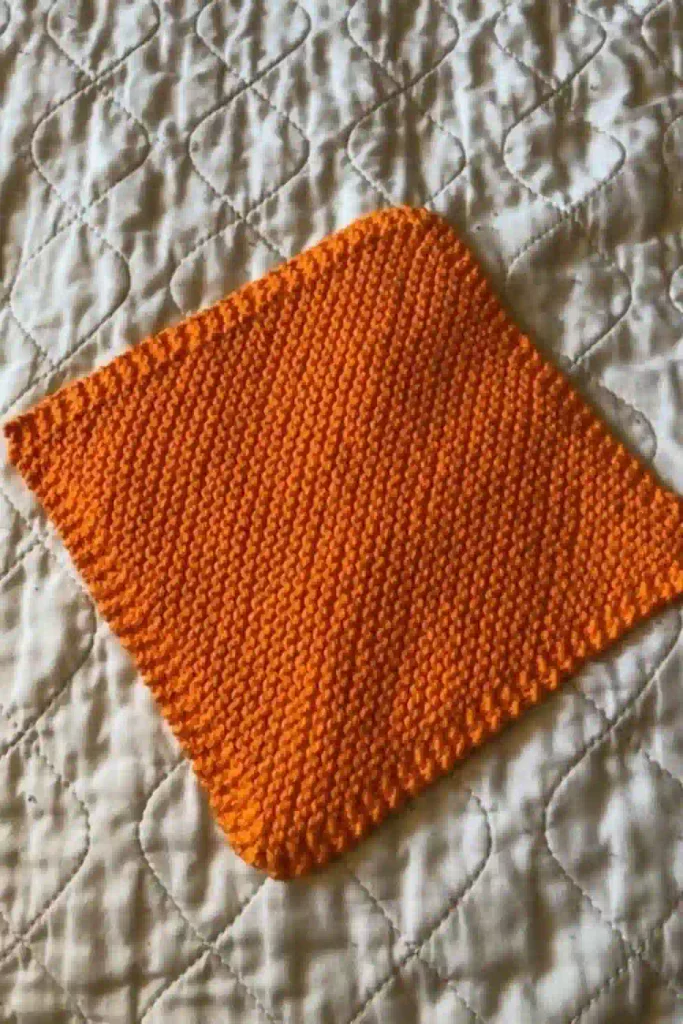
A washcloth is similar to a dishcloth but can be designed with softer cotton and decorative stitches.
Try moss stitch, lemon peel stitch, or a basic textured stitch once you are comfortable with single crochet and double crochet.
One-skein crochet roundups frequently recommend washcloths and similar small home projects because they require relatively little yarn and provide useful stitch practice.
8. Basic Crochet Beanie
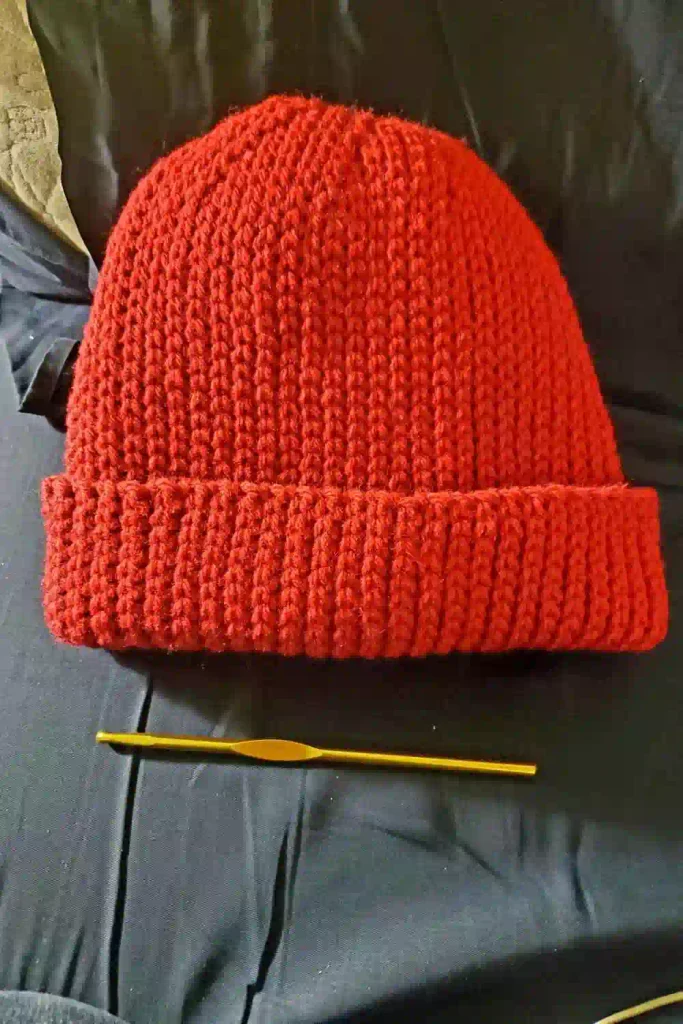
Ready to make something wearable? Try a simple beanie.
A basic hat introduces crocheting in the round and may involve increases or decreases. These are useful skills to learn before moving into more advanced garments.
A one-skein hat is especially realistic when the yarn is bulky or the skein contains enough yardage for the pattern. Several one-skein pattern collections include beginner-friendly hats.
9. Simple Crochet Cowl
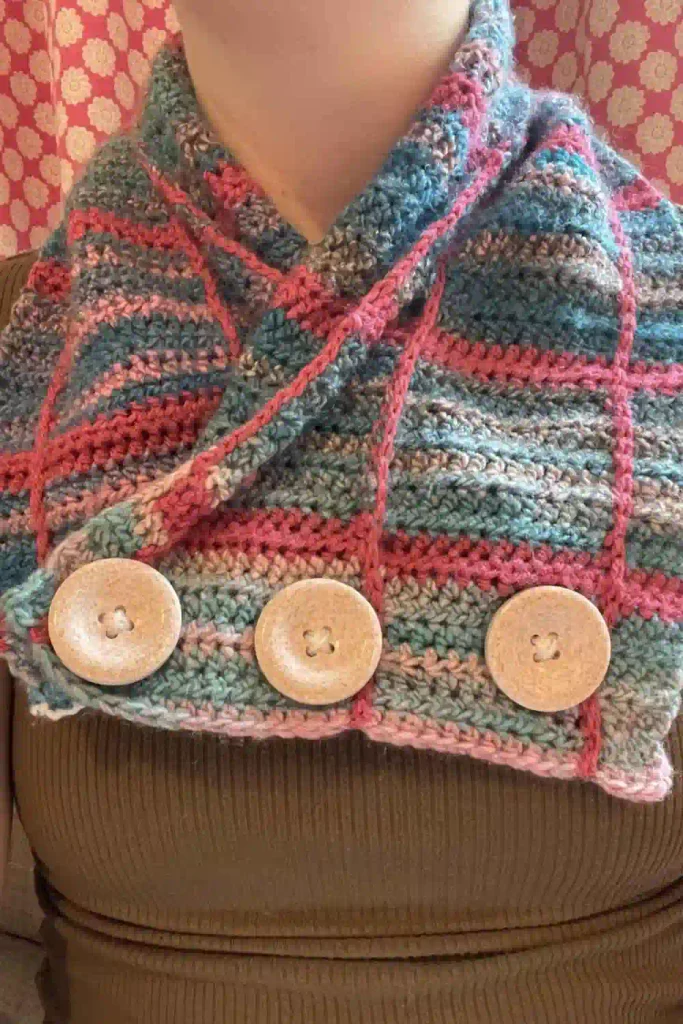
A cowl is another popular choice when you want beginner crochet projects one skein can complete.
A short cowl can be made with a repeating stitch and joined into a tube. Bulky yarn is particularly useful when you want a warm accessory without spending many hours crocheting.
Before starting, compare your skein’s yardage with the pattern requirement. Two skeins can have the same weight but dramatically different yardage depending on the fiber and yarn construction.
10. Small Crochet Basket
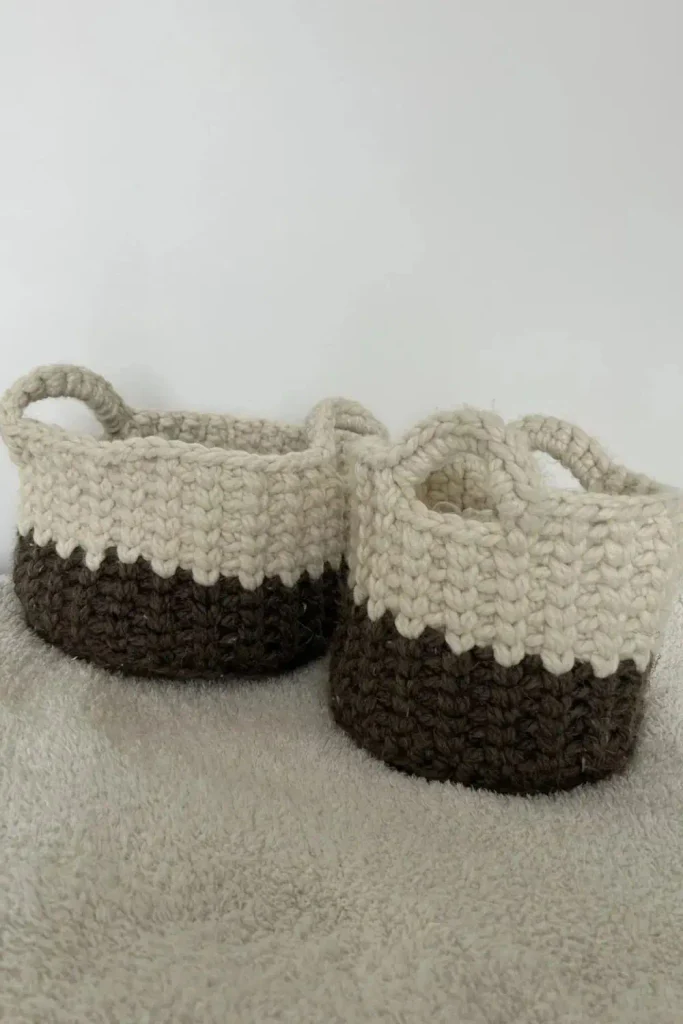
A small basket gives you a practical way to experiment with thicker yarn.
Use bulky yarn, several strands held together, or a suitable cotton cord. Simple single crochet creates a firm fabric that can hold lightweight objects.
Good uses: Hair accessories, craft supplies, keys, or small bathroom items.
11. Beginner Market Bag
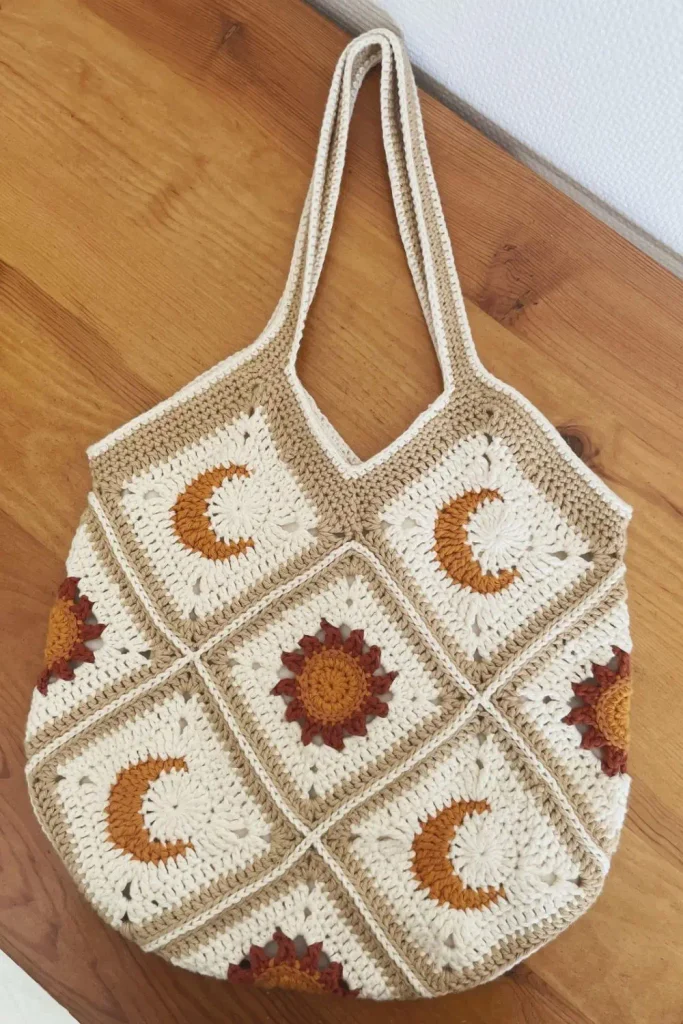
A market bag is an excellent choice if your one skein is a generous cotton skein.
Unlike a dense basket, a market bag uses an open stitch pattern to create a lightweight fabric. This means you can sometimes make a surprisingly useful bag without needing multiple skeins.
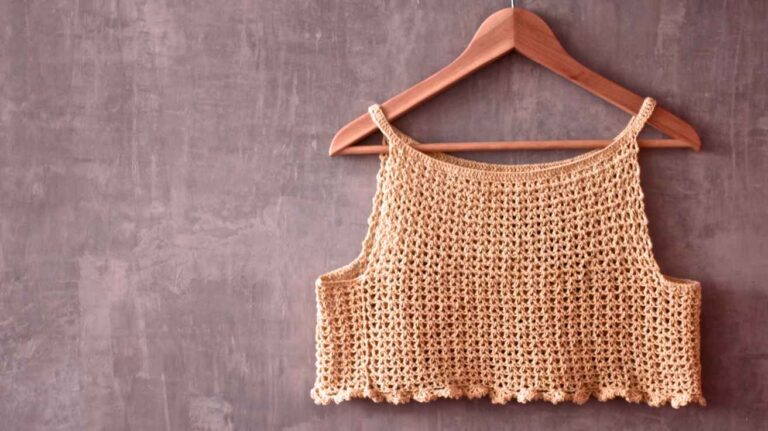
Look for patterns using chain spaces, mesh, or simple granny-style stitches.
12. Simple Scarf
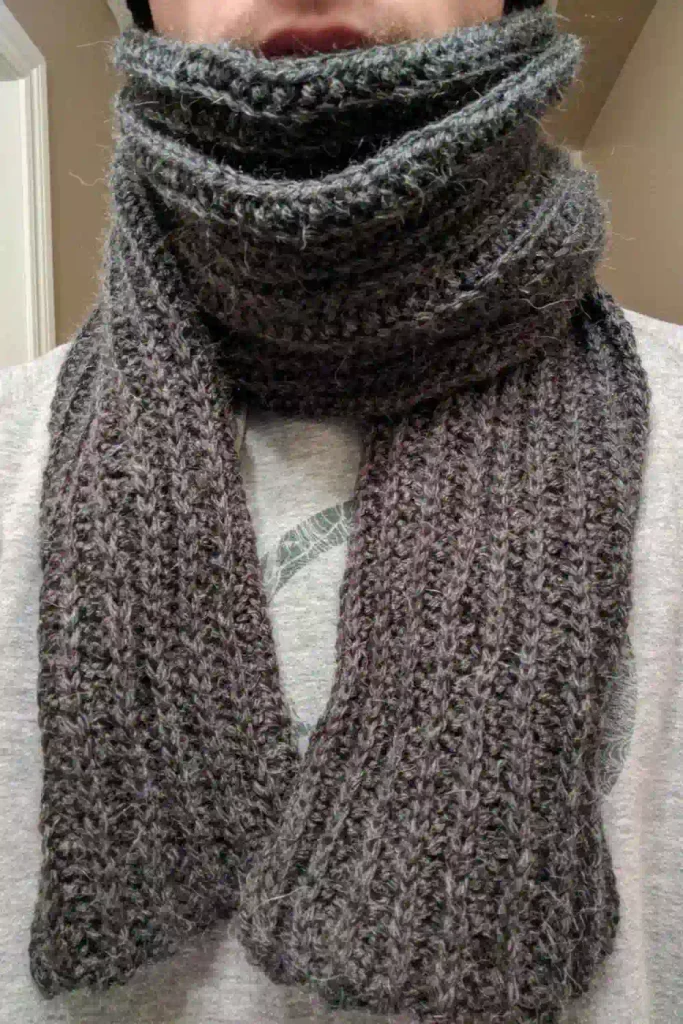
A scarf can be a one-skein project, but check the yardage carefully.
Some beginner scarves require substantially more yarn than a single skein. A lightweight yarn with a generous yardage can work, while a short skein of bulky yarn may not provide enough length.
For beginners, a simple rectangular scarf is useful because you can practice the same stitch repeatedly without complicated shaping. One-skein scarf patterns are widely available, but their finished dimensions vary considerably.
13. Crochet Potholder
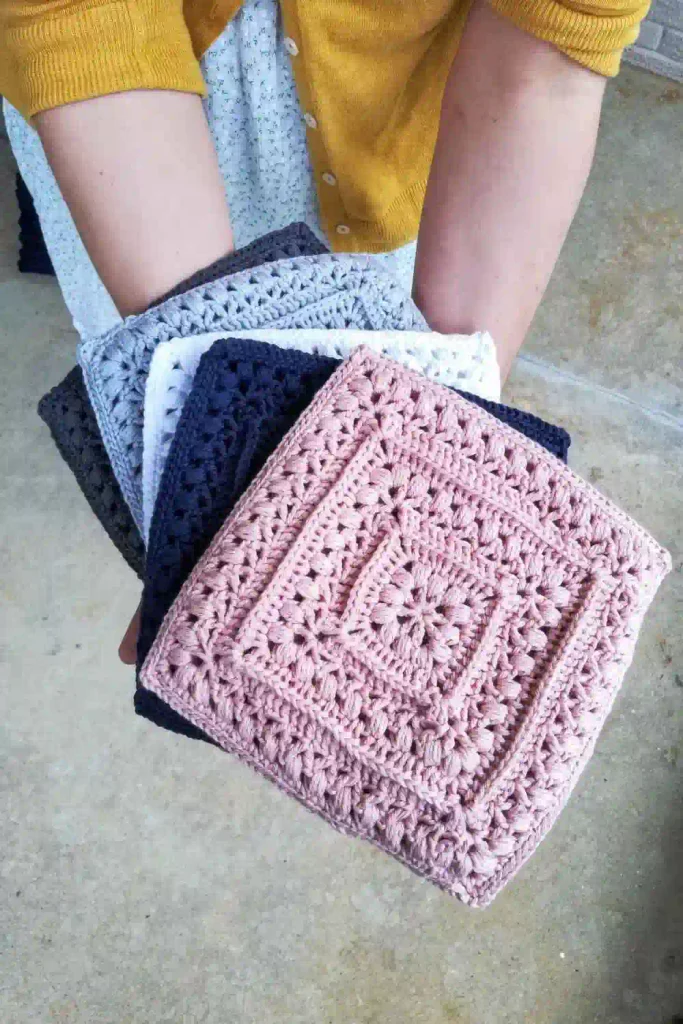
A potholder is a practical small project, especially when made from appropriate heat-resistant cotton.
Choose a pattern designed specifically for kitchen use rather than assuming any acrylic crochet fabric is suitable for hot cookware. Follow the yarn and pattern care instructions carefully.
Best for: Practicing dense stitches and making useful handmade gifts.
14. Fingerless Gloves
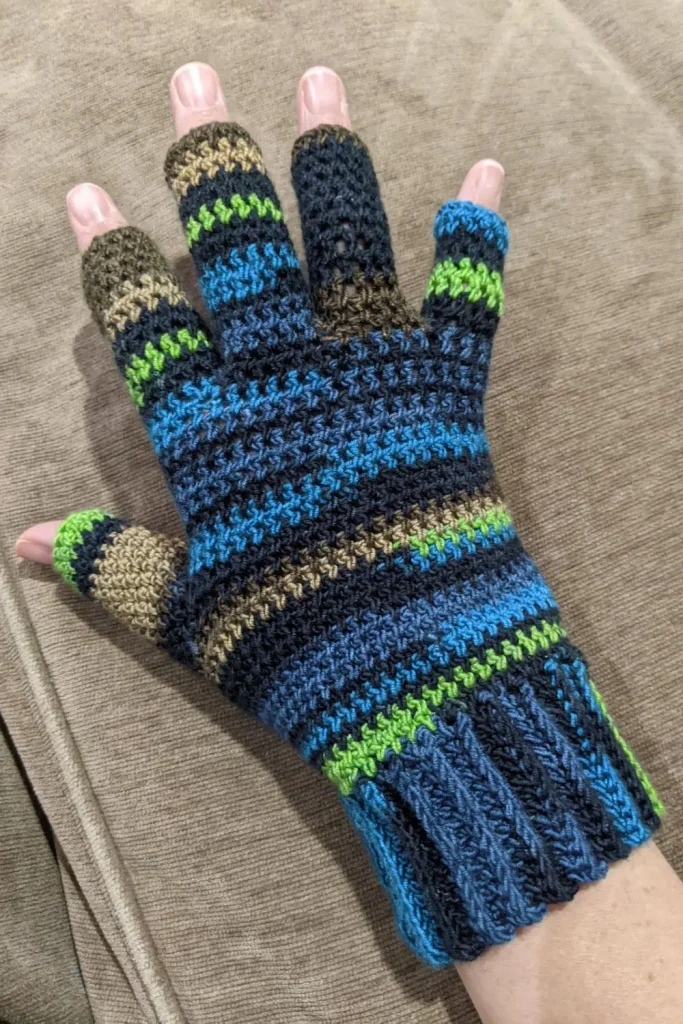
Fingerless gloves are a fun next step if you have already mastered basic stitches.
They introduce more shaping and sizing than a dishcloth or coaster, but they are still much smaller than a full pair of mittens or a sweater.
Choose a beginner pattern with clear sizing instructions and minimal color changes.
15. Small Baby Hat
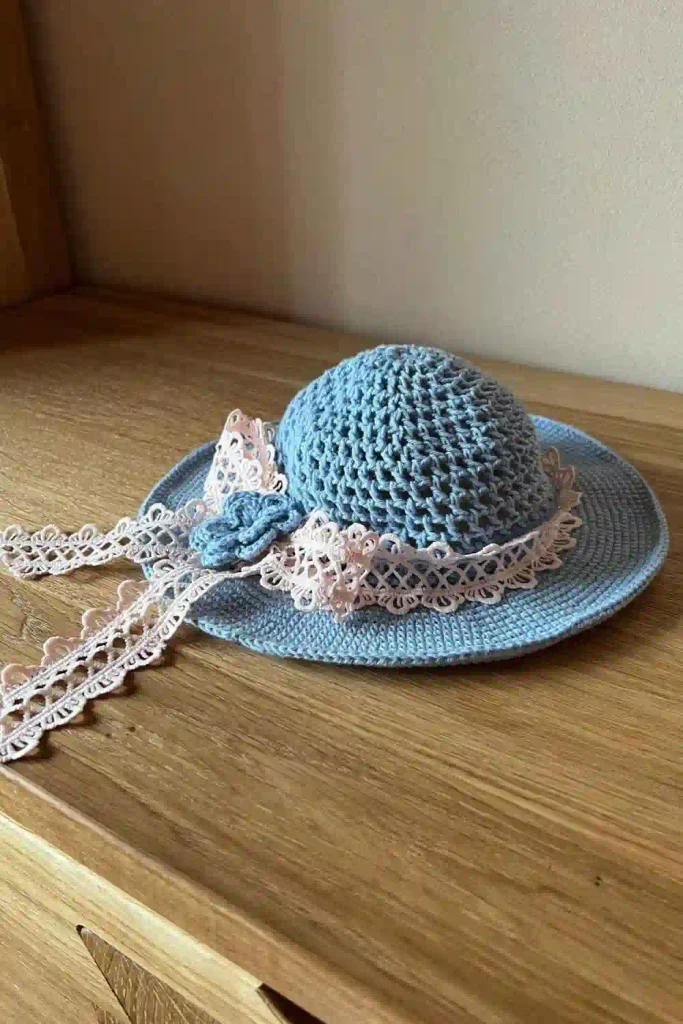
A small baby hat can be an excellent one-skein gift project.
Because the finished item is small, you may have enough yarn for a hat even when the skein would not be enough for an adult-sized accessory.
However, always check the pattern’s stated yarn requirements and choose yarn appropriate for the intended use and washing needs.
How to Choose Yarn for a One-Skein Crochet Project
The yarn you already own should guide your project choice.
The Craft Yarn Council’s Standard Yarn Weight System categorizes yarn from lace and super fine through jumbo and provides general hook-size guidance for each category. These are guidelines rather than strict rules, so the pattern’s recommended hook and gauge should take priority.
Check these four things on the yarn label
- Yarn weight: Look for the numbered category, such as #3 DK/light or #4 worsted/medium.
- Yardage: This tells you how much usable length you have.
- Recommended hook: Use the label as a starting point, then follow your pattern.
- Fiber content: Cotton, acrylic, wool, and blends behave differently.
For a first project, medium-weight yarn in a light or medium color is often easier to see and handle than very dark or highly textured yarn. A current beginner checklist from Lion Brand similarly recommends checking weight, yardage, hook size, and fiber content before starting.
How Do You Know If One Skein Is Enough?
Compare the pattern’s required yardage with the yardage printed on your skein. If the pattern needs 180 yards and your skein contains 220 yards, you have a 40-yard cushion. If the numbers are nearly identical, choose another project or buy extra yarn.
This is more reliable than comparing grams alone because different fibers and yarn weights can produce very different amounts of yarn per skein.
A simple yarn calculation
Use this formula:
Skeins needed = pattern yardage ÷ yardage per skein
For example:
- Pattern requirement: 250 yards
- One skein: 300 yards
- 250 ÷ 300 = 0.83 skein
That suggests one skein should cover the project, assuming your gauge and finished size match the pattern.
For greater safety, leave some extra yarn for your swatch, finishing, borders, and variations in tension. Yarn-use estimates are only estimates unless you are working from a tested pattern with matching materials.
The One-Skein Mistake Most Beginners Make
The biggest mistake isn’t choosing the wrong stitch. It’s using the entire skein before checking how much yarn the final rounds will require.
If your project is designed to use almost every yard, don’t wait until the last few rows to check your supply.
Try the “last-quarter check”
When approximately 25% of your skein remains, pause and compare your project’s remaining work with the yarn you have left.
If you’re making a hat, cowl, or scarf, this gives you time to shorten the project, change the border, or make another plan before you’re completely out of yarn.
This small habit is particularly useful for beginners because tension changes are common while you’re learning. A tighter crocheter may use more yarn than someone working loosely with the same hook and yarn.
Which Crochet Stitches Use the Least Yarn?
Open stitches and designs with more spaces generally use less yarn than dense, highly textured stitches covering the same area.
However, there is no universal “least-yarn stitch” because yarn usage depends on stitch height, tension, hook size, pattern construction, and finished dimensions.
If your goal is to stretch one skein as far as possible, consider:
- Open mesh stitches
- Simple granny-style patterns
- Chain spaces
- Lightweight yarn
- A slightly larger hook when appropriate for the pattern
Dense stitches such as heavy texture, bobbles, and some raised stitch patterns can consume more yarn. That means two projects with identical dimensions may not use identical amounts of yarn.
What Is the Easiest One-Skein Crochet Project for a Beginner?
A simple dishcloth or coaster is usually the easiest place to start. Both are small, flat, and forgiving. They let you practice chain stitches, single crochet, turning, stitch counting, and tension without requiring complicated shaping.
Once those feel comfortable, move to a granny square, headband, mug cozy, or simple hat.
The goal isn’t to choose the most impressive project. It’s to choose one that gives you enough repetition to build muscle memory while still being small enough to finish.
How to Make One-Skein Crochet Projects Look More Polished
A small project can look professional even when the pattern is simple.
Focus on these details:
Keep your edges consistent
Count your stitches at the end of each row. If your stitch count changes accidentally, your rectangle may gradually become wider or narrower.
Use a deliberate finishing method
Don’t simply cut the yarn and leave a short tail. Leave a suitable tail, weave it securely through the fabric, and trim the excess only after it is secure.
Block when appropriate
Blocking can improve the shape and appearance of many crochet fabrics, particularly scarves, lace, granny squares, and other pieces where even edges matter.
Let the yarn do some of the design work
A self-striping or gradient skein can create visual interest without requiring multiple colors or frequent yarn changes.
That is one reason one-skein projects can be particularly satisfying: the yarn itself can become part of the pattern design.
A Better Way to Choose Your First One-Skein Project
Instead of asking, “What can I make with one skein?” ask:
“What can I make with the exact yardage, weight, and fiber I already have?”
This small change makes project selection much easier.
For example, if you have 100 yards of bulky yarn, a small cowl or headband may be realistic. If you have 300 yards of DK yarn, you have a wider range of options. If you have a small amount of cotton, coasters, scrubbies, or a bookmark may make more sense.
Match the yarn first, then the project.
That approach reduces wasted yarn and prevents the frustration of discovering halfway through a project that your skein cannot produce the size shown in the pattern.